
L4.4 vs L6.5 Shielding Clips: A Technical Selection Guide for High-Density IoT Module Layouts
Why Clip Selection Matters at Scale
When IoT module companies move from prototype validation to volume production (e.g., 50K+ units/month), the mechanical behavior of EMI shielding clips directly impacts yield, rework efficiency, and long-term grounding reliability. Precision shielding clips must maintain consistent spring force across thermal cycles, survive repeated SMT reflow and manual rework, and fit within tight PCB keep-out zones — all while enabling repeatable lid-to-can contact.
Dongguan Zhuoyi Precision’s L4.4 and L6.5 series shielding clips are engineered for high-frequency circuits in communication modules, IoT modules, and compact terminal devices — with design intent focused on manufacturability, SMT readiness, and integration into real-world assembly workflows.
Preparation: Matching Clip Geometry to Your Layout Constraints
L4.4 clips are intended for layouts where vertical clearance is constrained — such as multi-layer IoT modules with stacked components or RF front-end circuitry located directly beneath the shield area. Their lower profile supports placement adjacent to tall connectors or heat sinks without interference.
L6.5 clips provide greater engagement depth and higher mechanical retention force — making them suitable for modules with thicker PCB stacks, larger shielding cans, or applications requiring robust clamping under thermal expansion or handling stress.
Both series support single-arm and double-arm configurations, and are available in standard footprints aligned with mainstream module package dimensions — reducing time-to-production for common use cases.
Implementation: SMT Compatibility & In-House Process Control
All L4.4 and L6.5 clips are designed for SMT assembly, with tin-plated surfaces ensuring solderability and stable intermetallic bonding during reflow. Dongguan Zhuoyi Precision manages the full production chain: from tooling development through precision stamping — with first-sample validation included in standard delivery.
Engineering teams receive traceable process data: material lot identification (SPCC or SECC base), plating verification, and dimensional reports aligned with GD&T practices — supporting internal qualification and documentation alignment.
Acceptance: Performance Boundaries You Can Rely On
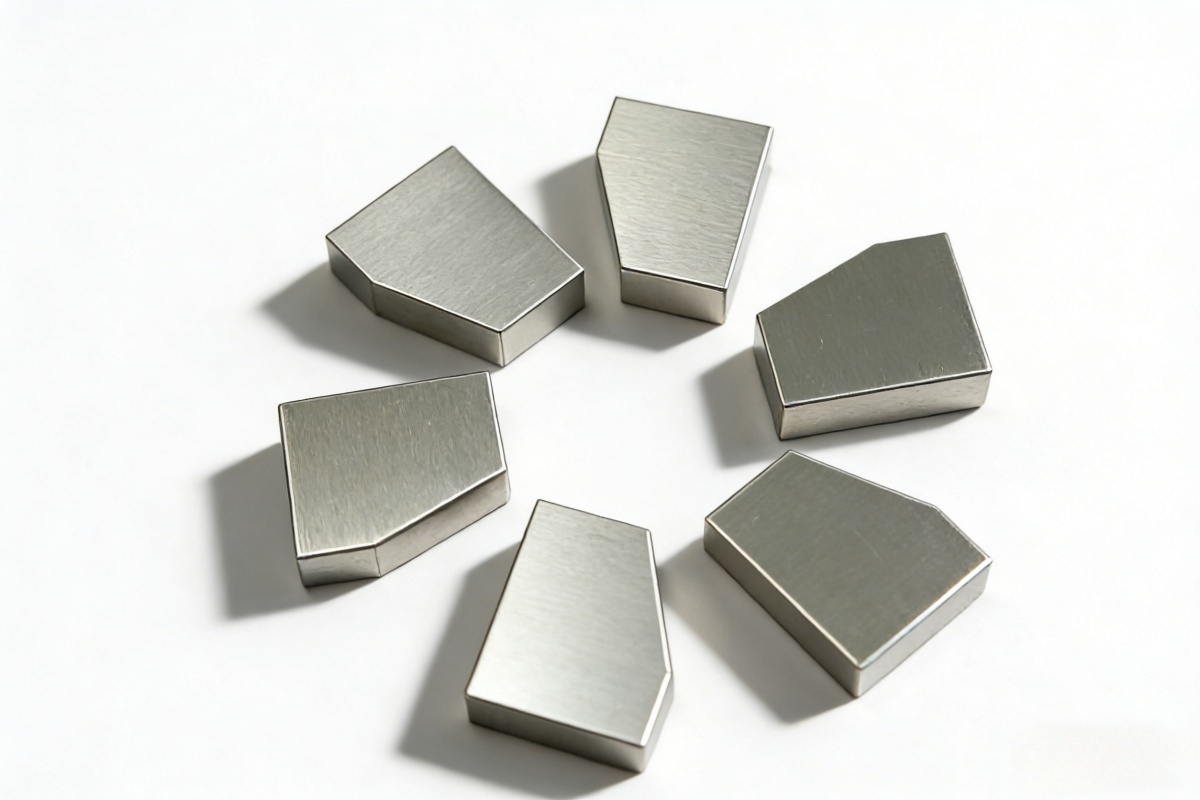
- Material: SPCC (cold-rolled carbon steel) and SECC (electro-galvanized steel) are standard; both validated for mechanical durability in repeated assembly and rework scenarios.
- Surface finish: Tin plating ensures reliable solder wetting and stable contact resistance over time.
- Tolerance control: Critical positioning features held to tight dimensional consistency — enabling repeatable lid-to-can alignment and consistent ground continuity across production batches.
Note: Final EMI performance depends on full system integration — including can design, PCB ground plane continuity, and interface quality. Clips enable low-impedance grounding only when used within their intended mechanical envelope.
Maintenance & Scalability Considerations
As your IoT module program scales, consistency matters more than ever. Dongguan Zhuoyi Precision supports stable supply via:
- Dedicated tooling ownership (no third-party mold handoffs)
- In-house secondary operations (deburring, cleaning, packaging)
- Batch traceability down to individual stamping die sets
This eliminates variability introduced by multi-tier suppliers — especially important when qualifying for Tier-1 OEM programs in smartphone, tablet, or POS terminal supply chains.
When to Choose Which — A Decision Summary
| Criterion | Prefer L4.4 | Prefer L6.5 |
|---|---|---|
| PCB height / clearance | Tight overhead space or minimal stack-up height | Thicker PCB stacks or need for deeper can retention |
| Assembly method | Fully automated SMT with minimal manual handling | Mixed SMT + occasional field rework or service-level replacement |
| Mechanical stress | Moderate handling and thermal conditions | Environments requiring enhanced retention under vibration or thermal cycling |
| Footprint flexibility | Standardized module packages (e.g., LTE-M/NB-IoT modules) | Custom can geometries requiring higher clamping margin |
Next Step for Technical Teams
If your current layout uses either L4.4 or L6.5 clips — or you’re evaluating alternatives for a new module revision — share your Gerber stack-up and can mounting interface drawing. We’ll perform a free mechanical fit-and-function review, including recommended clip count, placement spacing, and tolerance analysis — all based on actual stamped part geometry and process capability.
Recommended
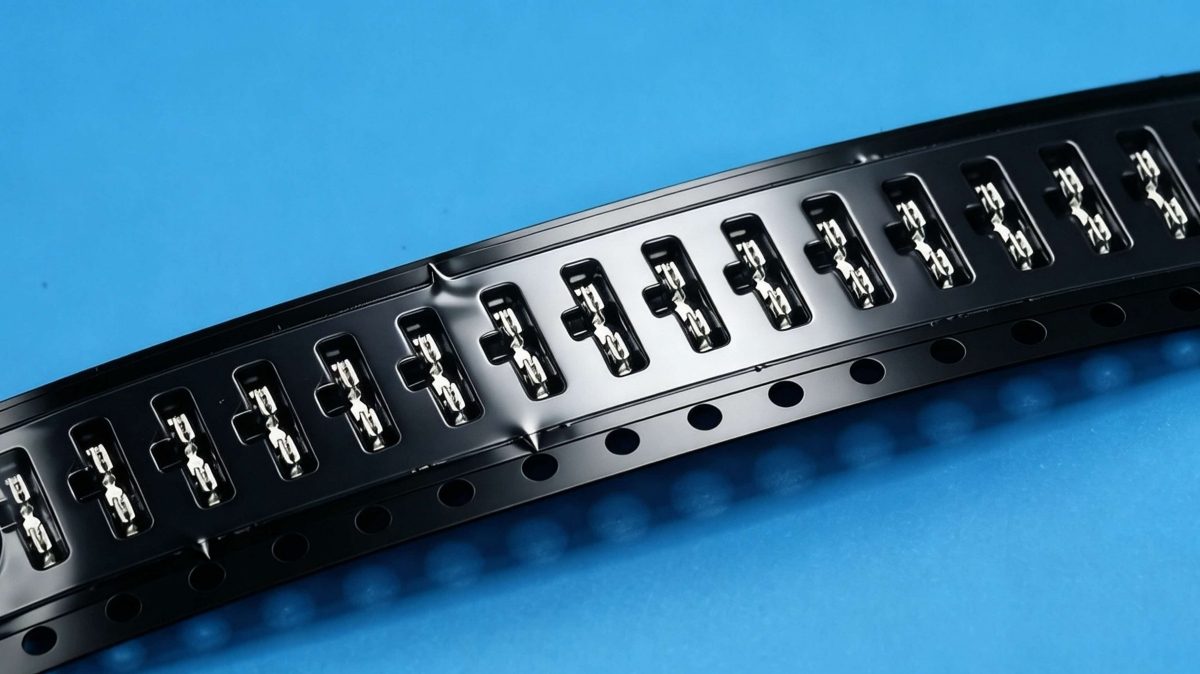
EMI Shielding Clips (L4.4 / L6.5 Series)
Precision L-shaped EMI shielding clips engineered for high-frequency circuits such as co...
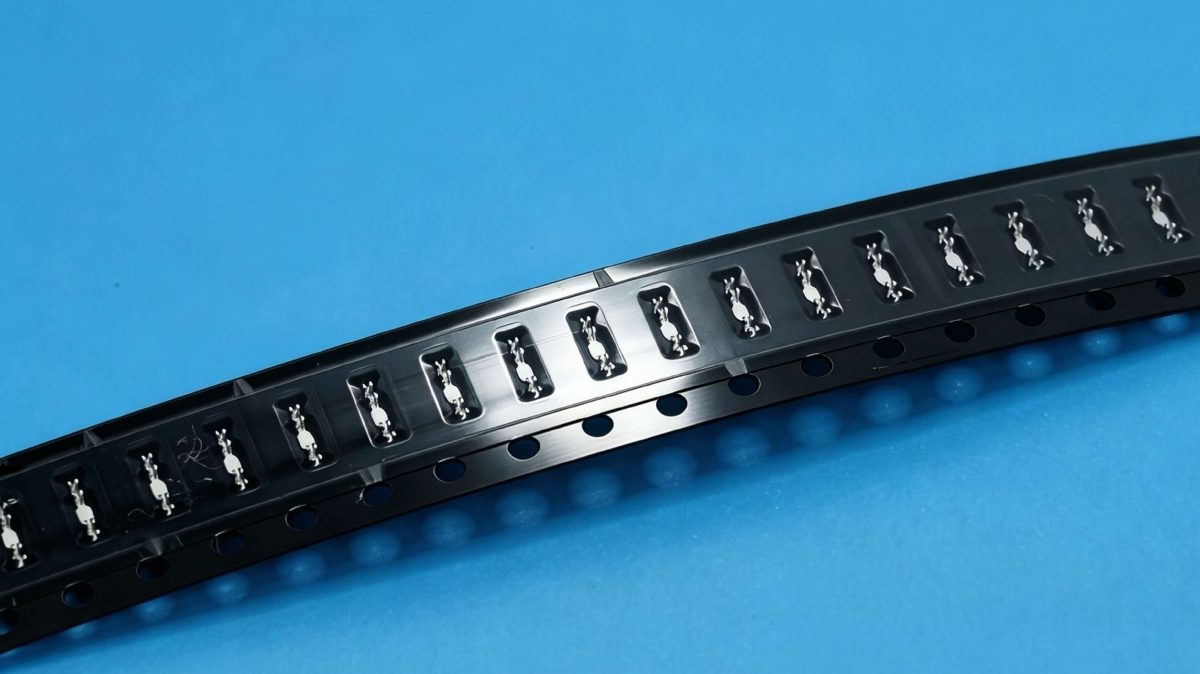
EMI Shielding Clips (L4.4 / L6.5 Series)
L-shaped EMI shielding clips engineered for high-frequency electronic modules—including...
EMI Shielding Cans and Covers (EMI Shielding Structural Components)
Precision EMI shielding cans and covers engineered for high-frequency electronic devices...