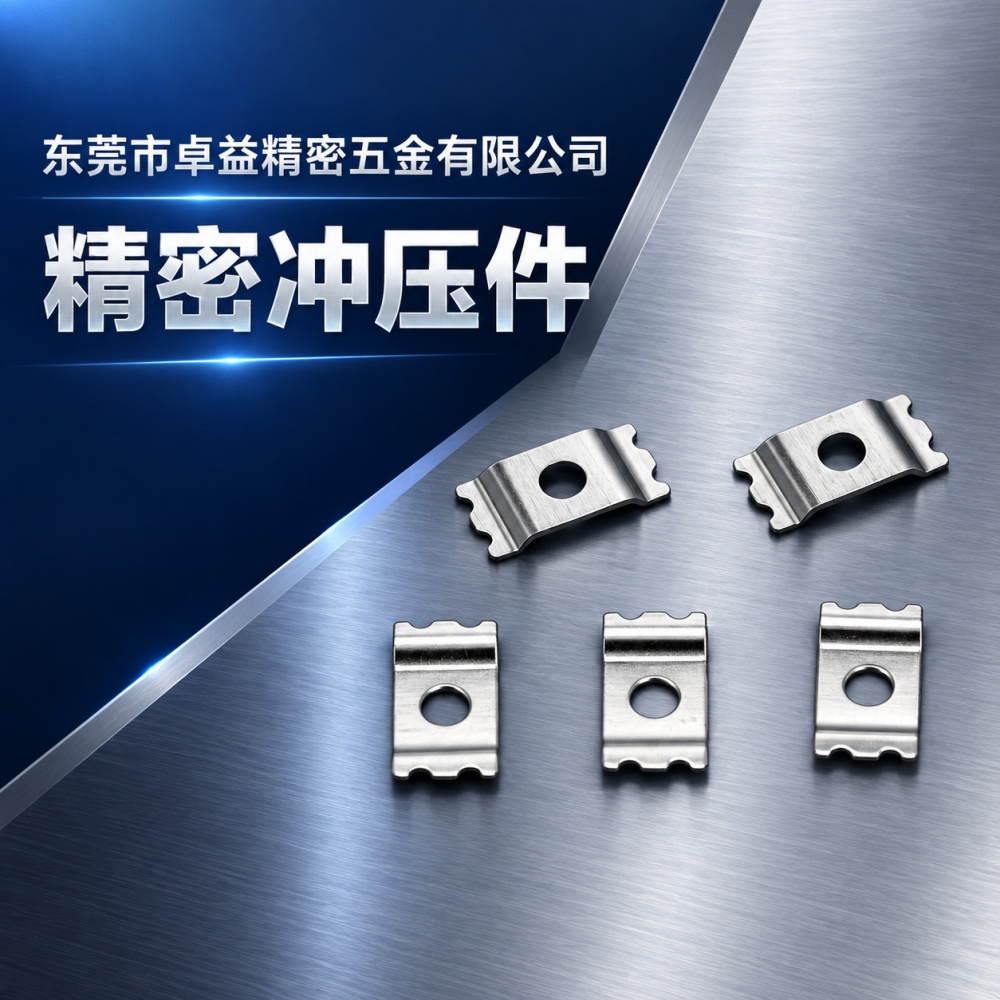
Shielding Can
An integrated metal enclosure structure designed for rapid installation and reliable EMI shielding on high-frequency PCBs, suitable for embedded applications—such as communication modules and IoT terminals—that require both mechanical mounting stability and electromagnetic compatibility.
Highlights
- Integrated can-and-lid closure structure enhancing shielding integrity from low frequencies up to GHz range
- Dual-positioning system with guide slots plus flange/groove features ensuring repeatable assembly accuracy of ±0.1 mm
- End-plate mounting tabs enabling direct integration with host mechanical structures, simplifying final assembly
- Compatible with FR4 and high-frequency PCB substrates; surface finishes include nickel plating, tin immersion, and conductive paint
Specifications
- Base Material
- SPCC, SUS304, AL1060 (recommended based on shielding performance vs. cost balance)
- Typical Thickness
- 0.2–0.8 mm (customized per frequency range and rigidity requirements)
- Tolerance Control
- ±0.05 mm at critical assembly features; shielding surface flatness ≤0.03 mm
- Surface Finish
- Electroless nickel, tin immersion, conductive oxidation, conductive paint (grounding contact enhancement optional)
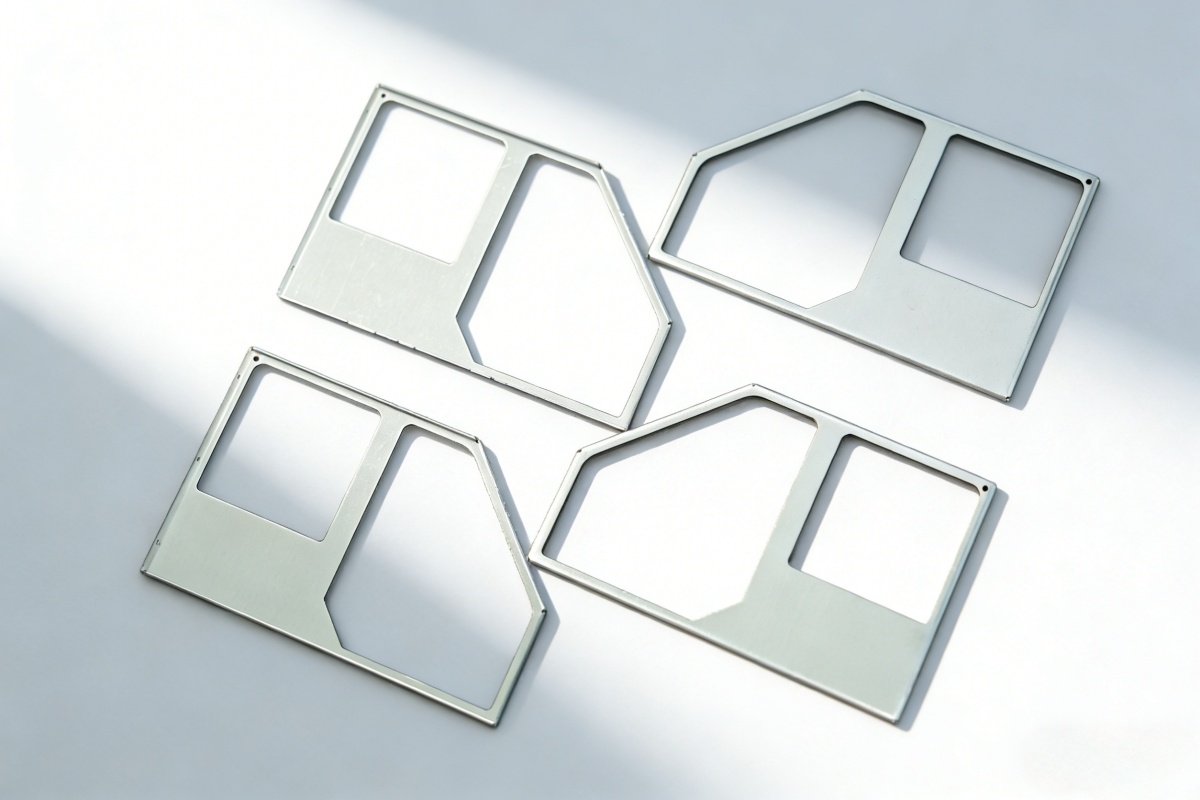
The shielding can (also known as shielding cover) is a critical EMI protection structural component in electronic devices, widely used in communication modules, IoT modules, smartphone/tablet solutions, POS terminals, and industrial control equipment. Its core function goes beyond simple coverage—it establishes a controllable electromagnetic isolation boundary in high-frequency signal environments, both suppressing electromagnetic radiation from internal circuits and blocking coupling effects of external electric/magnetic fields on sensitive RF units (e.g., Wi-Fi/BT/LoRa/Zigbee chips, PA/LNA modules).
In practical selection, shielding can performance highly depends on structural precision and process consistency:
- Dimensional stability: Tolerance must be controlled within ±0.05 mm to ensure no interference with PCB pads, locating pins, and surrounding components, avoiding assembly stress that degrades shielding effectiveness;
Contact reliability
: Edge bending angle, spring finger contact pressure, and surface conductive treatment (e.g., nickel plating, conductive paint) directly affect grounding continuity and low-frequency shielding performance;
Structural adaptability
: Must match module layout height, thermal management requirements (perforation ratio/position), and serviceability (e.g., snap-fit, screw-fastened, or soldered designs).
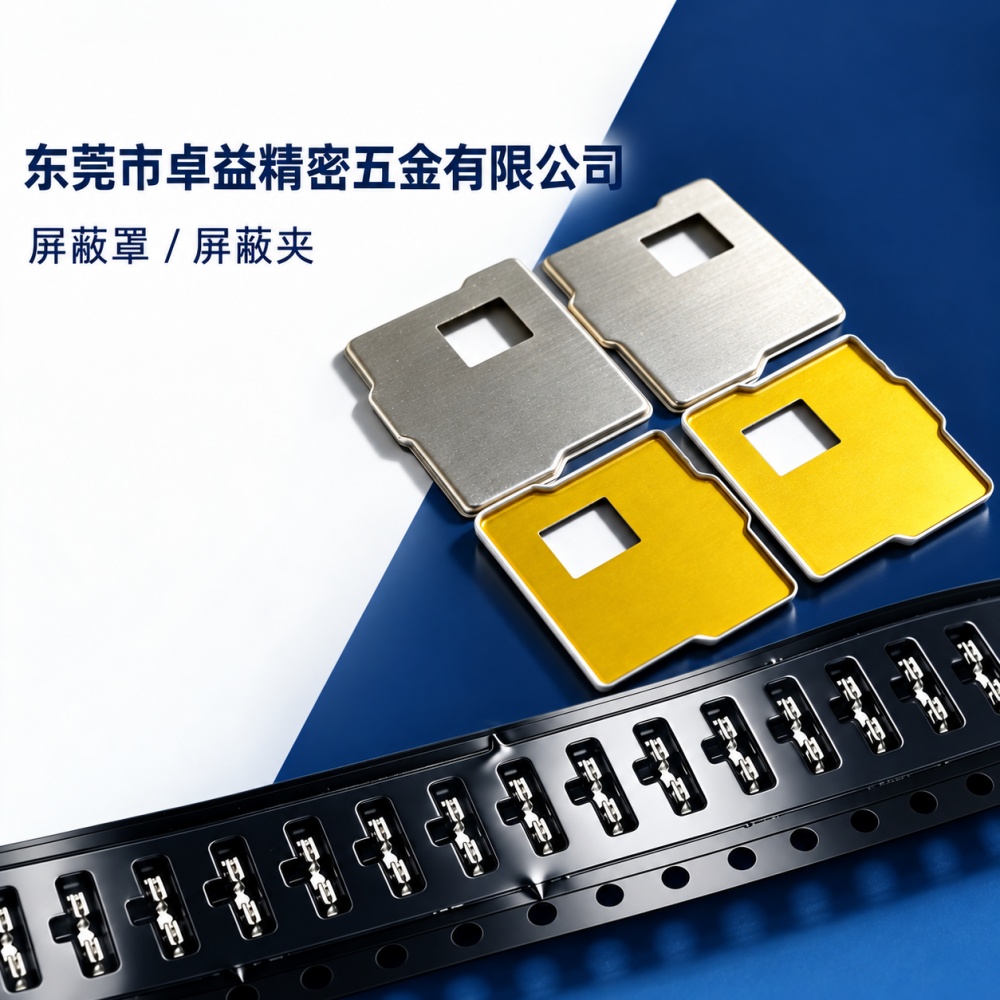
Dongguan Zhuoyi Precision Hardware Co., Ltd. specializes in custom manufacturing of electronic structural components and provides differentiated shielding can solutions tailored to diverse application scenarios:
- Communication module type: Uses SUS304 or AL6061 material, supports thicknesses from 0.2–0.8 mm, features standard laser-etched markings and RoHS-compliant surface finishing;
Miniaturized IoT module type
: Developed ultra-thin two-piece shielding covers (top cover + base) to balance EMI isolation and lightweight requirements;
High-reliability industrial equipment type
: Offers structures with insulating paint coating to prevent short-circuit risks while meeting IPX4-level moisture resistance testing requirements.
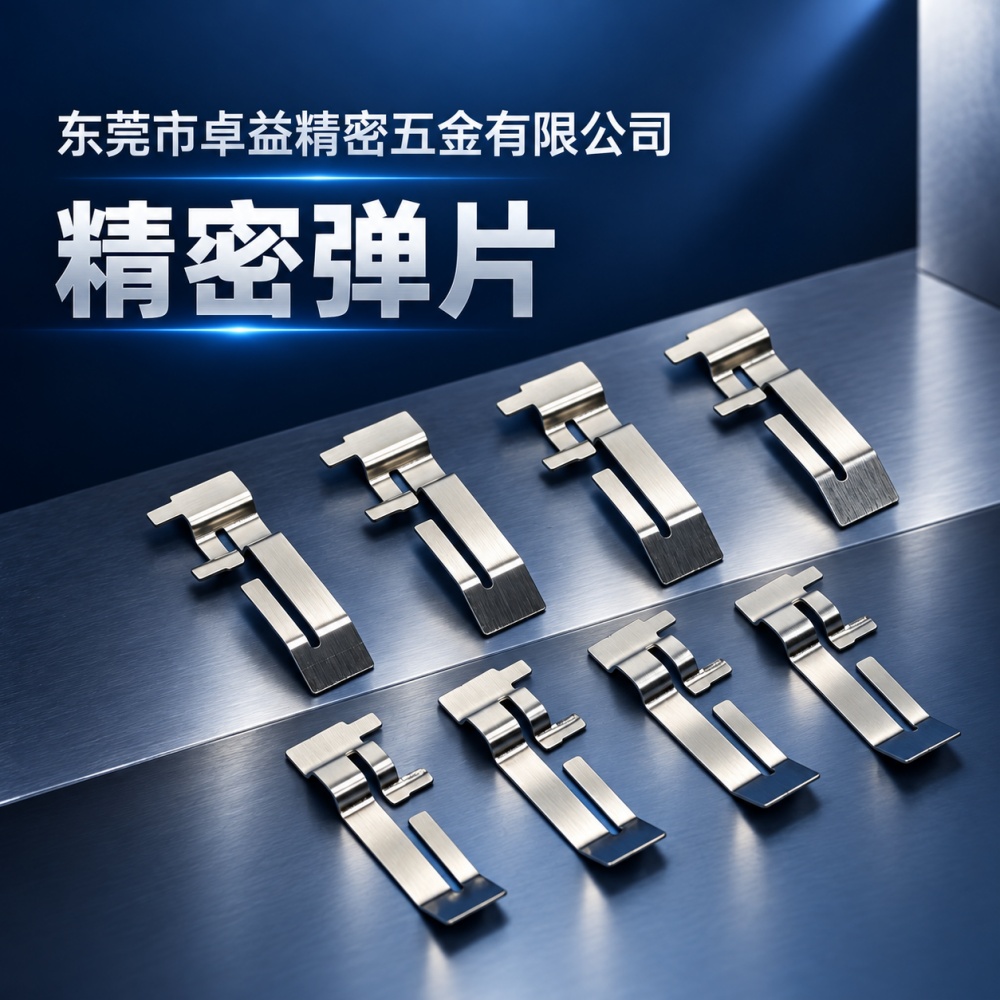
We do not sell standard off-the-shelf products via catalog. All shielding cans are developed based on customers’ original drawings or physical samples, including structural feasibility assessment, concurrent mold development, and small-batch validation. From first-sample delivery to mass production ramp-up, technical coordination is led throughout by an engineering team with over five years of module-integration experience.