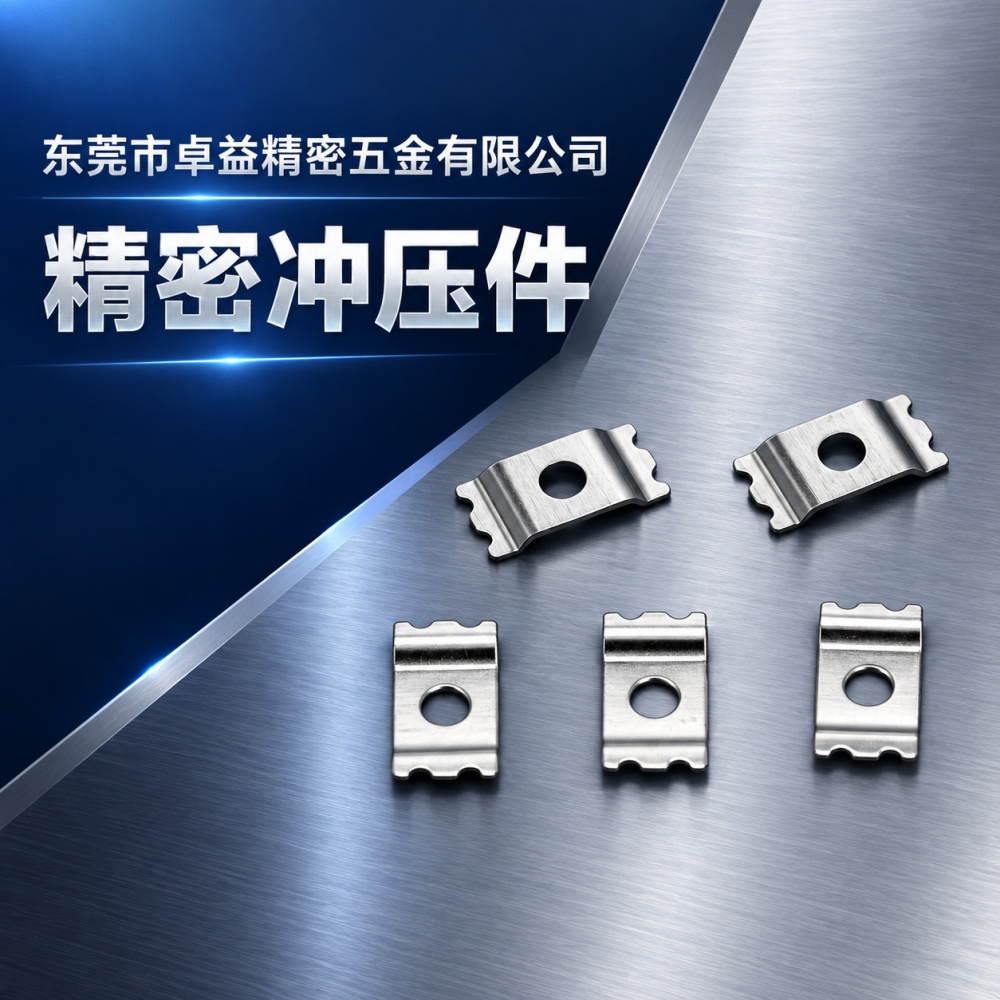
EMI Shielding Cans and Covers
Precision EMI shielding cans and covers engineered for high-frequency electronic modules—including cellular and IoT modules—offering single-piece, two-piece, and insulated-paint configurations to meet EMI suppression, mechanical fixation, and assembly reliability requirements.
Highlights
- Custom design based on customer drawings with rapid prototyping (7–10 working days for standard structures)
- Integrated mold development and stamping production to ensure long-term dimensional consistency
- Compatible with mainstream module packaging standards (e.g., M.2, LGA, stamp-hole) and high-frequency operating environments
- Material selection guidance (SUS304 stainless steel, AL6061 aluminum, C1100 copper, H65 brass), surface finishing options, and basic EMI validation support
Specifications
- Common Materials
- SUS304, AL6061, C1100 (oxygen-free copper), H65 (brass)
- Thickness Range
- 0.15–1.2 mm (customized per structural strength and spring-back requirements)
- Tolerance Control
- Overall dimensions ±0.05 mm; bending angle ±1°
- Surface Finishes
- Nickel plating, tin plating, conductive paint, anodizing (for aluminum), passivation (for stainless steel)
- Typical Configurations
- Single-piece welded cover, two-piece snap-fit cover, insulated-layer composite cover, multi-cavity integrated shielding frame
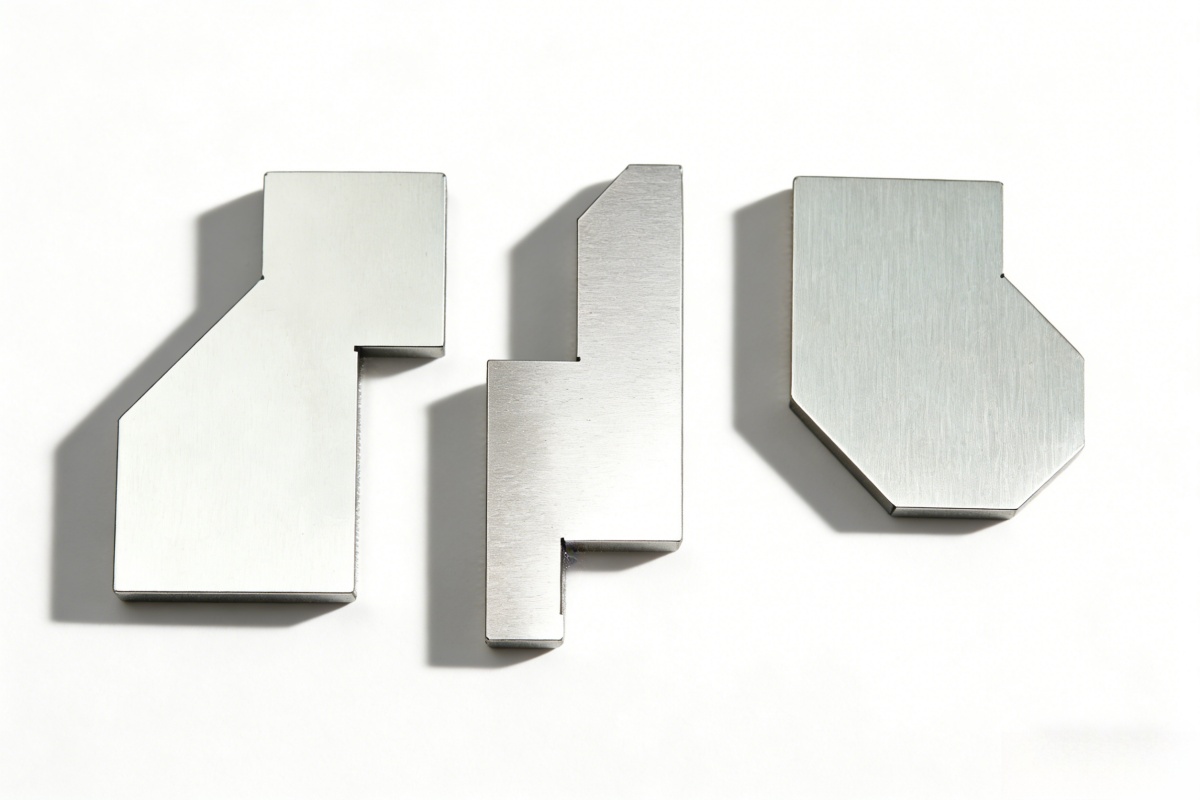
EMI Shielding Cans and Covers (also known as shielding covers) are critical EMI shielding structural components in electronic devices, widely used in applications such as cellular modules, IoT modules, smartphone/tablet solutions, POS terminals, and industrial control equipment. Their core function extends beyond simple coverage: they establish a controllable electromagnetic isolation boundary in high-frequency signal environments—both suppressing electromagnetic radiation emitted by internal circuits and blocking coupling effects from external electric/magnetic fields onto sensitive RF units (e.g., Wi-Fi/BT/LoRa/Zigbee chips, PA/LNA modules).
SOURCE_IMAGE_1
In practical selection, EMI shielding can performance highly depends on structural precision and process consistency:
- Dimensional stability: Tolerances must be controlled within ±0.05 mm to ensure interference-free assembly with PCB pads, locating pins, and surrounding components, avoiding assembly stress that degrades shielding effectiveness;
Contact reliability
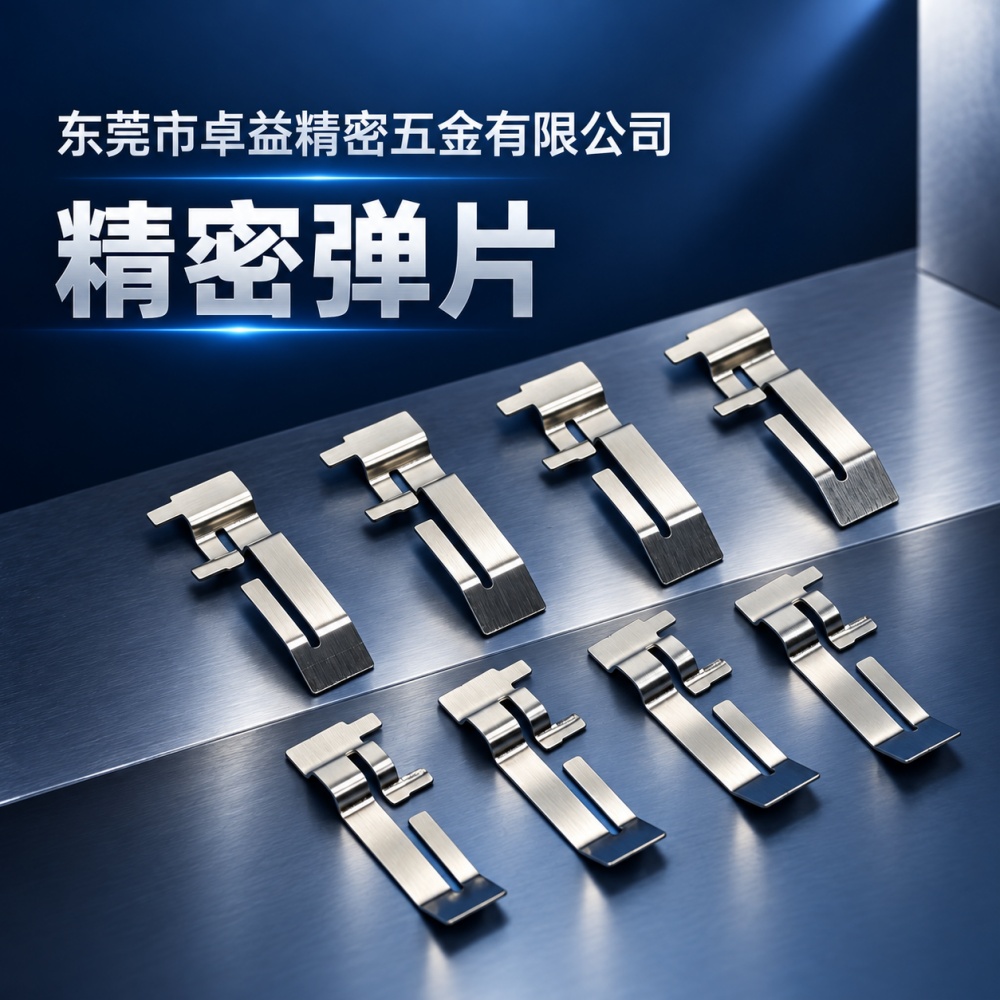
: Edge bend angles, spring finger contact pressure values, and surface conductive treatments (e.g., nickel plating, conductive paint) directly impact grounding continuity and low-frequency shielding performance;
Structural adaptability
: Must comply with engineering boundary conditions including module layout height, thermal management requirements (perforation ratio/position), and serviceability (e.g., snap-fit, screw-fastened, or soldered designs).
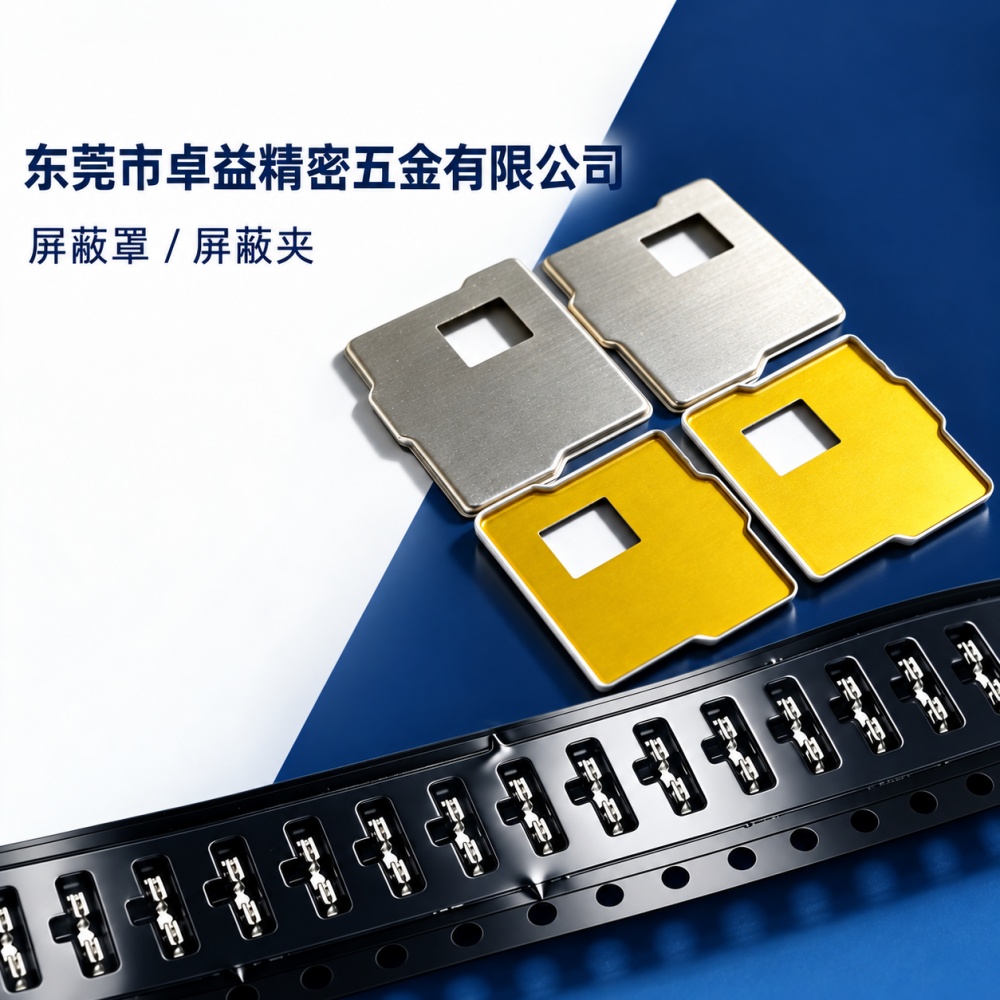
Dongguan Zhuoyi Precision Hardware Co., Ltd. specializes in custom manufacturing of electronic structural components, delivering differentiated EMI shielding can solutions tailored to diverse application scenarios:
- Cellular module shielding cans: Manufactured from SUS304 or AL6061 materials, supporting thicknesses of 0.2–0.8 mm; standard features include laser-etched markings and RoHS-compliant surface finishes;
Miniaturized IoT module shielding covers
: Developed as ultra-thin two-piece shielding covers (top cover + base), balancing EMI isolation performance with lightweight requirements;
High-reliability industrial equipment shielding cans
: Feature insulating paint coatings to prevent short-circuit risks while meeting IPX4-level moisture resistance testing requirements.
We do not offer catalog-based standard products. All EMI shielding cans are engineered based on customers’ original drawings or physical samples, including structural feasibility assessment, concurrent mold development, and small-batch validation. From first-sample delivery through mass-production ramp-up, technical coordination is led by an engineering team with over five years of module-integration experience.